
Children learn about safety from the adults around them. They watch how parents, teachers, and other caregivers behave and often copy what they see. This makes safety education an important part of creating a safer home.
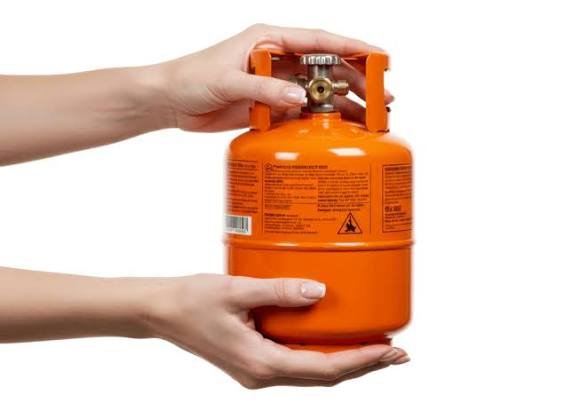
Gas cylinders are commonly used in homes, restaurants, small businesses, and other places where cooking or heating requires fuel. In Pakistan, families may use LPG cylinders in different household settings. Because gas can create serious fire and explosion hazards when there is a leak or another problem, children should understand the basic safety rules without being expected to handle cylinders or gas equipment themselves.
The most important lesson is simple: gas-cylinder safety is an adult responsibility.
Children should know how to recognize a possible emergency, stay away from cylinders and gas appliances, alert a responsible adult, leave the area when instructed, and never experiment with gas equipment.
Fire prevention also works best as part of a broader safety system. The Building Code of Pakistan Fire Safety Provisions 2016 provides national fire-safety provisions covering areas such as fire prevention, life safety, and fire protection.
This guide explains how parents, schools, and caregivers can teach children about gas-cylinder safety in a simple and age-appropriate way.
Why Children Need Gas Cylinder Safety Education
Children are naturally curious. They may want to understand how household appliances work or investigate unfamiliar objects.
A gas cylinder, however, is not something children should experiment with.
Gas-related hazards can develop without being obvious. A child may also not understand that an unusual smell, damaged equipment, or an unexpected sound can require immediate adult attention.
Teaching children basic awareness can help them understand:
- Gas cylinders are not toys.
- Gas appliances are for adults to operate.
- Children should never play near gas equipment.
- An unusual gas smell should be reported immediately.
- Children should never try to investigate a suspected leak themselves.
- They should move away from a dangerous area when an adult tells them to.
- They should never return to an unsafe area without permission.
The goal is not to make children responsible for household gas safety. Instead, it is to give them simple rules that help them respond safely.
1. Explain What a Gas Cylinder Is
Young children do not need a technical explanation of LPG or gas systems.
Parents can simply explain that a gas cylinder contains fuel used by adults for cooking or other household purposes.
A child should understand that the cylinder and its connected equipment are important safety equipment and must not be touched or played with.
An age-appropriate explanation might be:
“This cylinder contains fuel for cooking. Adults are responsible for using it safely, and children should stay away from it.”
This simple message is usually easier for a young child to remember than a complicated technical explanation.
2. Teach Children That Gas Equipment Is Not a Toy
Children should never play with:
- Gas cylinders
- Gas burners
- Regulators
- Hoses
- Valves
- Stoves
- Other gas-connected equipment
They should not turn controls or attempt to disconnect anything.
This rule should be especially clear for younger children.
Parents should also avoid making gas equipment seem like an interesting object to investigate. The safest approach is to establish a consistent family rule: gas equipment is for responsible adults only.
3. Teach Children to Recognize an Unusual Gas Smell
Many fuel gases are given an odor so that a leak can be detected more easily.
Children can be taught that an unusual smell around gas equipment is a reason to immediately tell an adult.
However, children should not be instructed to search for the source of the smell.
They should not:
- Touch the cylinder
- Touch valves or regulators
- Try to find a leak
- Operate gas controls
- Use flames to investigate
- Experiment with electrical switches in a suspected gas-leak area
Instead, their responsibility is simply to move away and tell a responsible adult.
This distinction is extremely important.
4. Teach the “Tell an Adult” Rule
One of the easiest safety rules for children is:
“If something seems wrong with the gas, tell an adult immediately.”
Children should know which adults they can approach, such as:
- Parent
- Guardian
- Teacher
- School staff member
- Another trusted responsible adult
The rule should apply even if the child thinks they may have caused a problem.
Children sometimes hide accidents because they are afraid of getting into trouble. Adults should make it clear that reporting a safety problem is more important than avoiding punishment.
5. Teach Children What to Do If They Smell Gas
Children should not be responsible for managing a suspected gas leak.
If a child notices an unusual gas smell, the safest lesson is:
- Do not touch the cylinder or gas appliance.
- Do not create a flame.
- Do not investigate the source.
- Move away from the area.
- Tell a responsible adult immediately.
- Follow the adult’s emergency instructions.
- Stay away until the area has been declared safe.
If the situation is an emergency, adults should follow appropriate emergency procedures and contact the relevant emergency service from a safe location.
Children should never be sent back into an area to check whether the smell has disappeared.
6. Never Teach Children to Test for Leaks
Children may be curious about how adults identify gas leaks.
This is an area where curiosity should be redirected.
A child does not need to learn how to test a gas cylinder, hose, regulator, valve, or appliance.
They should simply understand that suspected gas-system problems require responsible adults and, when appropriate, qualified professionals.
Fuel-gas systems have specific safety requirements. NFPA 54, the National Fuel Gas Code, establishes minimum safety requirements for fuel-gas piping systems in homes and other buildings.
The exact requirements for a particular home in Pakistan should be determined according to the applicable local requirements, equipment instructions, and qualified professional advice.
7. Keep Children Away From Cooking Areas When Appropriate
Cooking areas can contain several hazards at the same time, including heat, flames, hot surfaces, electrical equipment, and gas appliances.
Parents should establish clear boundaries around cooking areas.
For younger children especially, it may be safer to keep them away from active cooking activities unless an adult is directly supervising them.
A simple household rule can be:
“The kitchen is an adult-supervised area when cooking is taking place.”
The exact level of supervision should reflect the child’s age, maturity, and the layout of the home.
8. Teach Children Not to Touch Gas Controls
Gas controls should never become part of a child’s play.
Children should not turn knobs, operate valves, move connected equipment, or attempt to adjust gas appliances.
This rule should also apply when adults are not nearby.
Parents can reinforce the message by explaining that changing a gas control without permission can create a dangerous situation.
The objective is to make “don’t touch” a clear and automatic response.
9. Keep the Area Around the Cylinder Organized
Adults should make sure the gas-cylinder area is managed properly.
Children should not be expected to inspect or maintain the cylinder area.
Parents and other responsible adults should ensure that the equipment is installed and maintained appropriately and that children do not have easy access to it.
The surrounding area should also be kept organized so that adults can safely inspect and manage the equipment when necessary.
Children can be given a simple rule:
“Never play, hide, or store toys around the gas cylinder.”
This helps prevent accidental contact and keeps the area easier for adults to access.
10. Teach Children About Fire Alarms
Gas safety and fire detection should be taught together.
A Fire alarm system in Pakistan can be an important part of a wider fire-safety plan, although an alarm does not replace safe gas practices.
Children should know what the home’s fire or smoke alarm sounds like and understand that an alarm means they need to follow the family’s emergency plan.
NFPA educational material emphasizes teaching age-appropriate fire and life-safety messages to children and practicing family fire drills.
Parents should explain that when an alarm sounds, children should listen to adults, leave through the planned safe route, and go to the family’s designated meeting place.
11. Create a Simple Family Escape Plan
Every family should know what to do if there is a fire or another serious household emergency.
A family plan can identify:
- Main exit routes
- Alternative exit routes
- A safe outdoor meeting place
- Which adult is responsible for helping younger children
- How family members will communicate
- Where to go after leaving the building
The plan should be simple enough for children to understand.
Families should also practice it periodically so children become familiar with the process.
The purpose is not to frighten children. It is to make emergency behavior familiar and easier to remember.
12. Teach Children to Stay Outside Once They Leave
One of the most important emergency rules is:
Once you are outside, stay outside.
Children should never return to a building to collect:
- Toys
- School bags
- Phones
- Clothing
- Pets
- Other belongings
They should wait for adults or emergency responders to determine when it is safe to return.
This is particularly important after a fire or suspected gas-related emergency because conditions may remain unsafe even when there is no visible flame.
13. Teach Children Not to Hide During an Emergency
Young children may hide when they become frightened.
Parents and teachers should gently teach children that hiding is not a safe emergency response.
Instead, they should:
- Listen to the responsible adult.
- Stay with their group.
- Move toward the planned safe location.
- Tell an adult if someone is missing.
- Follow emergency instructions.
Practice can help children understand what is expected without turning safety education into something frightening.
14. Use Simple Language for Younger Children
Safety education should match the child’s age.
For younger children, short rules are easier to remember:
- Gas is not a toy.
- Don’t touch the cylinder.
- Don’t touch gas controls.
- Tell an adult if you smell gas.
- Stay away from fire.
- Leave when an adult tells you to.
- Never go back inside during an emergency.
Older children can learn more about fire prevention, emergency communication, alarms, evacuation routes, and household safety responsibilities.
15. Teach Children Through Everyday Examples
Children often learn better through familiar situations.
For example, while discussing kitchen safety, a parent can explain why gas appliances are handled only by adults.
When testing a smoke alarm as part of the household’s normal maintenance routine, parents can explain what the alarm sound means.
During a family fire drill, children can practice going to the meeting location.
These simple activities can make safety information easier to remember.
16. Do Not Use Fear to Teach Gas Safety
Children should understand that gas cylinders can be dangerous, but safety education should not rely on frightening stories.
Excessive fear can make children panic during an actual emergency.
Instead, adults can focus on clear actions:
Notice → Move away → Tell an adult → Follow the emergency plan.
This gives children something practical to remember without making them responsible for solving the problem.
17. Parents Should Model Safe Behavior
Children observe adults closely.
If adults ignore a damaged hose, leave combustible items near cooking equipment, play around gas appliances, or treat safety rules casually, children may copy that behavior.
Parents should therefore demonstrate responsible habits.
Adults should ensure that gas equipment is properly maintained, follow manufacturer instructions, and obtain qualified assistance when specialized work is required.
Children should see safety as a normal part of household life rather than an occasional lecture.
18. Teach Children About Electrical Safety Near Gas
Gas safety and electrical safety can overlap during an emergency.
Children should not operate electrical equipment around a suspected gas leak.
Rather than teaching them technical rules about electrical systems, parents can give them a simple instruction:
“If you think there may be a gas problem, don’t touch electrical switches or equipment. Move away and tell an adult.”
Adults should manage the situation according to appropriate emergency procedures.
19. Include Gas Safety in School Education
Schools can reinforce basic household safety messages.
Teachers can explain that students should:
- Never play with gas equipment.
- Tell an adult about unusual gas smells.
- Follow evacuation instructions.
- Take fire alarms seriously.
- Stay with their group during emergencies.
- Never return to an unsafe building.
School lessons should remain age-appropriate and should not encourage students to handle cylinders, appliances, valves, or other gas equipment.
20. Make Emergency Numbers and Procedures Familiar
Older children can learn how their family handles emergencies.
They should know:
- Which adults to contact
- Where the family meets outside
- How to communicate an emergency
- When to seek help from emergency services
However, children should not be expected to diagnose a gas leak or decide whether a situation is safe.
The adult’s role is to manage the hazard; the child’s role is to get away from danger and seek responsible help.
21. Connect Gas Safety With General Fire Prevention
Gas-cylinder safety should be part of a larger household fire-safety plan.
Families should also consider:
- Smoke alarms
- Fire alarm systems
- Electrical safety
- Kitchen safety
- Clear escape routes
- Emergency lighting where appropriate
- Safe storage
- Fire-extinguisher arrangements
- Family evacuation planning
A fire alarm system can provide an important warning layer, but prevention remains essential.
NFPA notes that fire-preparedness and knowledge of household hazards are important parts of improving home safety.
22. Maintenance Is an Adult Responsibility
Children can learn about safety, but they should never be given responsibility for maintaining gas equipment.
Adults should arrange appropriate inspection and servicing.
If equipment appears damaged, behaves unexpectedly, or develops a suspected problem, it should be assessed by an appropriately qualified person.
Children should not be asked to:
- Repair hoses
- Adjust regulators
- Move cylinders
- Inspect valves
- Connect equipment
- Test for leaks
- Troubleshoot appliances
Keeping these responsibilities with trained adults helps reduce unnecessary risk.
23. Keep Fire Detection Systems Maintained
A household fire alarm is useful only when it is maintained and able to provide its intended warning.
Fire alarm and signaling standards such as NFPA 72 address installation, inspection, testing, and maintenance of fire alarm systems.
For families in Pakistan, the appropriate alarm arrangement depends on the home, building type, system design, and applicable requirements.
Parents should make sure children recognize the alarm sound and know what they are expected to do when it activates.
24. Make Safety a Regular Family Conversation
Gas-cylinder safety should not be discussed only once.
Families can briefly review the rules from time to time, especially when:
- Moving to a new home
- Changing the kitchen layout
- Installing new appliances
- Updating fire alarms
- Adding younger children to the household
- Changing sleeping arrangements
Short, repeated reminders can be more effective than one long safety lecture.
A Simple Gas Cylinder Safety Checklist for Families
Parents can use this checklist to reinforce the main lessons:
- [ ] Children know that gas cylinders are not toys.
- [ ] Children do not touch gas appliances or controls.
- [ ] Children know which adults to tell about a gas concern.
- [ ] Children know to move away if they notice an unusual gas smell.
- [ ] Children know not to investigate a suspected leak.
- [ ] Children know not to use flames to investigate gas problems.
- [ ] Children know the family’s emergency exit routes.
- [ ] Children know the outdoor meeting place.
- [ ] Children recognize the household fire/smoke alarm.
- [ ] Children know to leave when an alarm or adult instructs them to.
- [ ] Children know never to return to an unsafe building.
- [ ] Adults manage cylinder inspection and maintenance.
- [ ] Gas equipment is maintained appropriately.
- [ ] Fire alarms are tested and maintained according to applicable guidance.
- [ ] The family periodically reviews its emergency plan.
The Role of a Fire Alarm System in Pakistan
A Fire alarm system in Pakistan can provide an important warning layer in a home, school, workplace, or other building.
For families with children, the most important point is that an alarm should be part of a complete safety plan. Children need to know what the alarm means and where to go when it sounds.
At the same time, an alarm cannot prevent every gas-related incident. Safe equipment, responsible adult supervision, proper maintenance, good housekeeping, and appropriate emergency planning remain essential.
For specialized fire-safety assessment and solutions, families and organizations should seek guidance from appropriately qualified professionals.
For fire-safety information and solutions in Pakistan, visit Flame Defender.
Conclusion
Teaching children about gas-cylinder safety is mainly about teaching them what not to do and who to tell when something appears wrong.
Children should never be expected to handle cylinders, operate gas controls, investigate leaks, or repair equipment. Their role is much simpler: stay away from hazards, tell a responsible adult, follow emergency instructions, and leave an unsafe area when directed.
Parents can make these lessons easier by using simple language, practicing family evacuation plans, teaching children to recognize fire alarms, and modeling safe behavior every day.
Gas safety should also be part of a wider household fire-safety strategy. Smoke and fire detection, clear escape routes, appropriate equipment maintenance, emergency planning, and adult supervision all contribute to preparedness.
For families in Pakistan, the best safety lesson is one children can easily remember:
Gas equipment is for adults. If something seems wrong, move away and tell an adult.
Frequently Asked Questions
1. Should children handle gas cylinders?
No. Children should not handle, move, connect, disconnect, inspect, or operate gas cylinders or related equipment. Gas-cylinder management should remain the responsibility of responsible adults and appropriately qualified professionals where specialized work is required.
2. What should a child do if they smell gas?
A child should not investigate the smell or touch gas equipment. They should move away from the area, tell a responsible adult immediately, and follow the family’s emergency instructions.
3. Should children learn how to repair gas equipment?
No. Children should learn basic safety awareness, not repair procedures. They should know that damaged or malfunctioning gas equipment must be reported to an adult.
4. How can parents teach children about gas safety without frightening them?
Use short, calm rules such as “Gas is not a toy,” “Don’t touch the equipment,” and “Tell an adult if something seems wrong.” Practicing the family’s emergency plan can also make the correct response familiar without creating unnecessary fear.
5. How does a fire alarm system help with household safety?
A properly installed and maintained fire alarm system can provide an early warning when a fire-detection condition occurs. Children should learn to recognize the alarm and follow the family’s evacuation plan. Fire alarms should be maintained according to the applicable requirements and the system manufacturer’s instructions.